
01 / Wood privacy
Choose privacy with wood movement in mind
Privacy depends on the board arrangement, not simply the word “wood.” Explain which views matter: a neighboring patio, the street, or a seating area. Ask how the proposed height, board spacing, and finished profile will address those sightlines. The cedar project in our gallery is a useful visual reference, not a specification for every fence.
Wood responds to moisture and can expand, shrink, or change shape as conditions change. Boards that look closely fitted at installation may develop visible gaps. Discuss how the selected design accounts for that movement, including whether an overlapping arrangement is appropriate for your privacy goals. No wood layout should be treated as a promise of permanently gap-free screening.
02 / Wood privacy
Plan the supports and the openings together
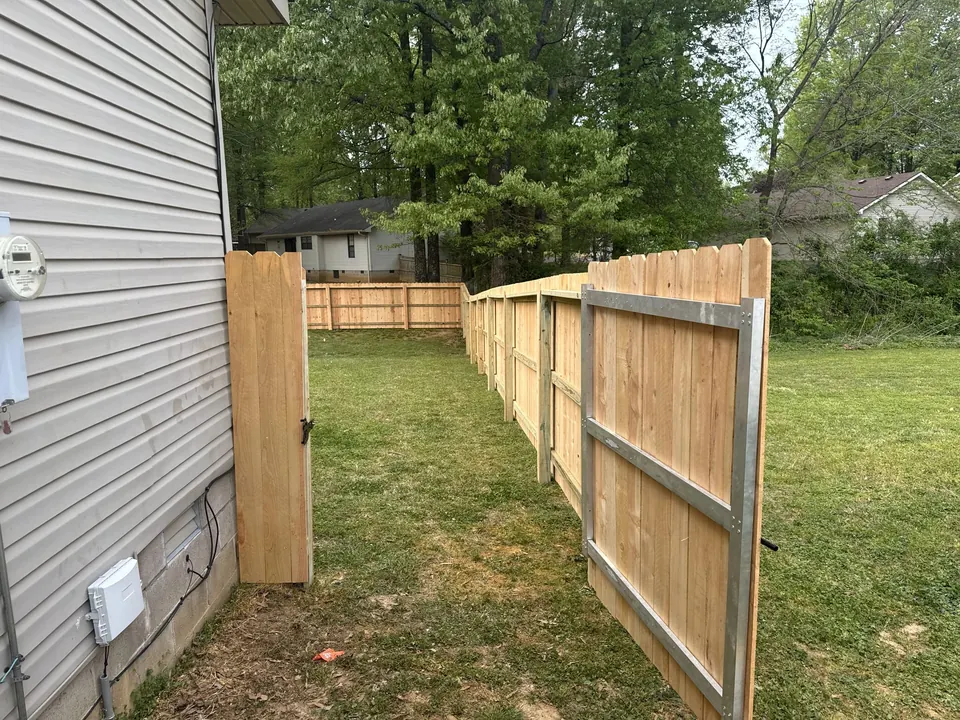
The finished face is only part of the design. Post-system options, connections, and gate support deserve the same attention as the boards. If you prefer concealed metal supports, ask whether driven galvanized posts with cedar covering, cap, and trim are an option for your project. That approach is not assumed for every installation; confirm the proposed system and finish in your scope.
Think through gate width, swing direction, latch access, and clearance for mowing or moving equipment. A slope can affect the fence profile and the space beneath it. Share survey information and point out trees, drainage routes, and access restrictions. Confirm boundaries and any applicable approvals or requirements before settling on the layout.
03 / Wood privacy
Know what your quote includes—and how to care for it
For an estimate, share your location, approximate fence run, preferred height, and gate needs, along with photos if available. Ask the quote to identify the wood selection, board arrangement, posts, trim, gate framing, and hardware. Clarify whether old-fence removal, disposal, and any staining or sealing are included. Comparing the same details is more useful than comparing a price alone.
Wood brings a natural finish that changes with exposure. Keep vegetation and accumulated debris from trapping moisture against the fence, and check boards, fasteners, and gate operation for developing issues. Follow the material and finish instructions for cleaning, preparation, and any protective treatment. Discuss upkeep before choosing a finish rather than assuming every product needs the same care.
Actual project photos
More views of our work.
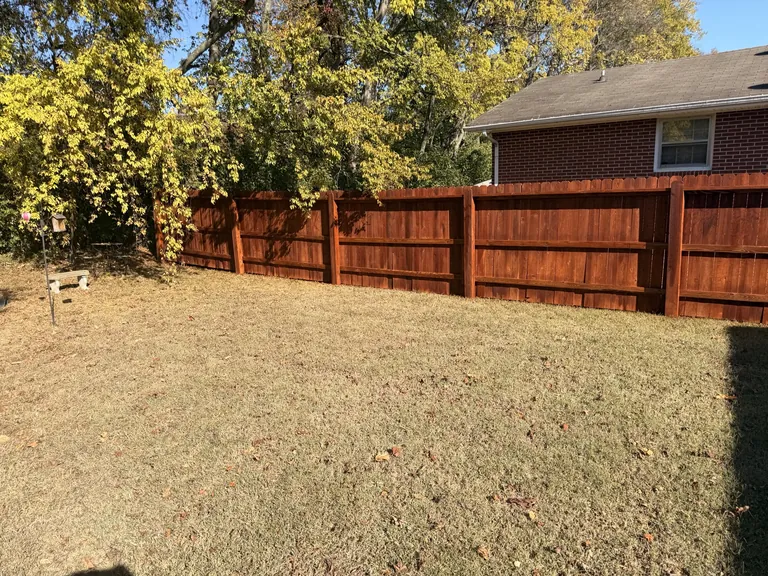
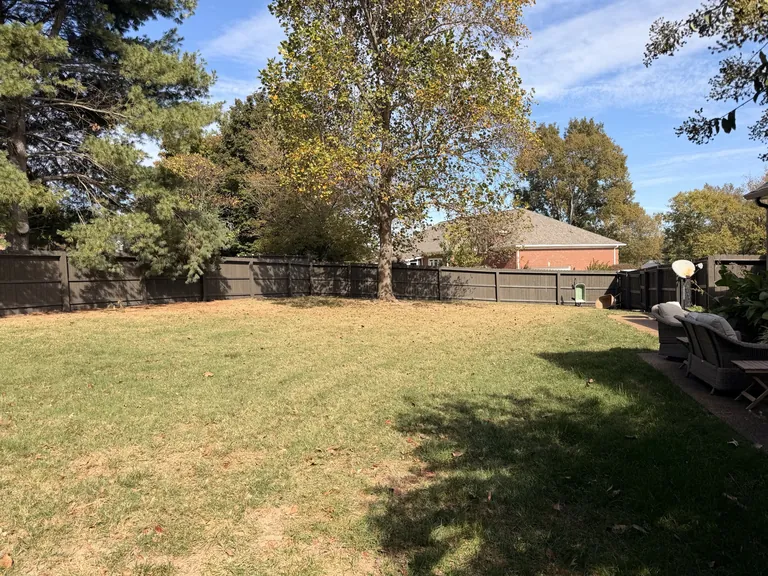
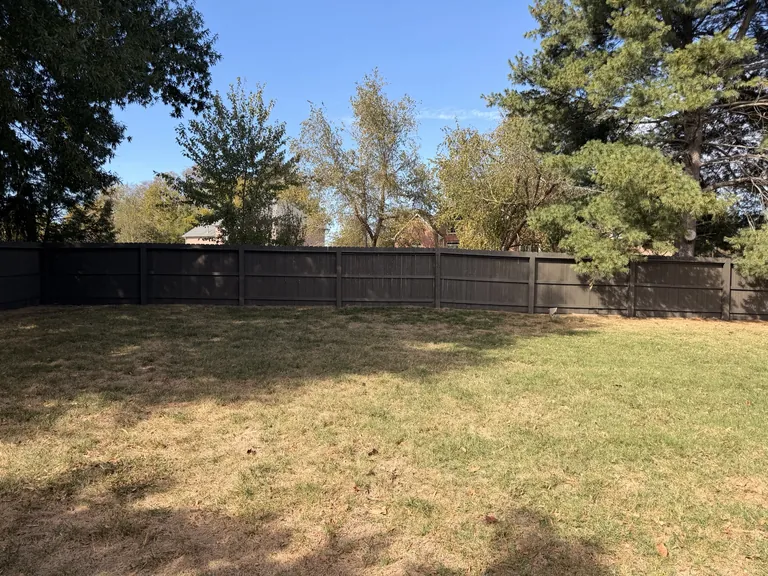
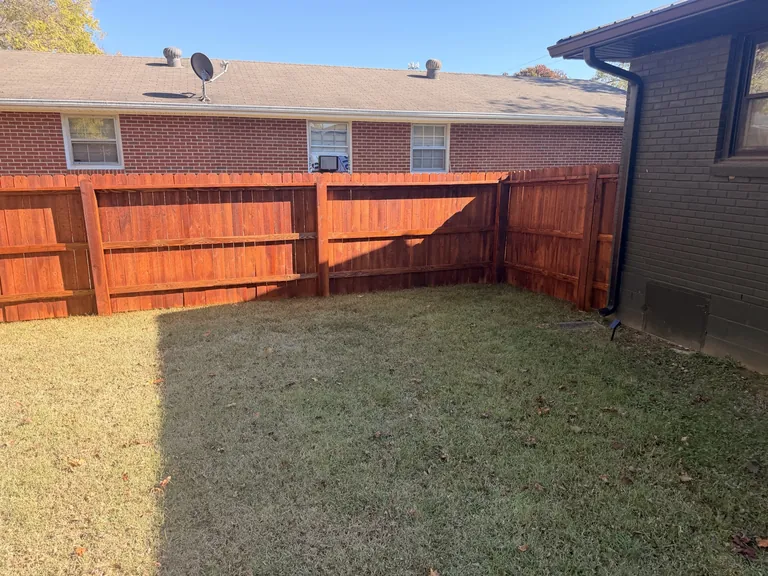
Explore the fence lines, finishes, rails, and corners in these real Rocky Top project views. Photos illustrate our work; your material, height, and layout will be confirmed for your property.
Useful answers
Questions before you call.
Will a wood privacy fence always stay gap-free?
No. Moisture changes can alter board width and shape. Discuss your sightlines and the proposed board arrangement so you understand how the design handles privacy as the wood moves.
Are galvanized posts included with every wood fence?
Do not assume that. Ask which post system is proposed, whether a cedar-covered galvanized option suits the site, and how the visible finish will be detailed in the quote.
Can my wood fence quote include a matching gate?
Yes. Describe the opening and how you will use it. Confirm the gate design, support, framing, hardware, and finish separately, even when its boards match the surrounding fence.